Table of Contents
- 1. Botpress – Developer‑Friendly AI Support Chatbots
- 2. ManyChat – Social & WhatsApp Marketing Automation
- 3. Tidio – E‑commerce Live Chat + AI Support
- 4. CustomGPT.ai – Enterprise Knowledge‑Base Chatbots
- 5. Intercom – Customer Support & Engagement with AI
- 6. Emergent – AI Agents Beyond Simple Chatbots
- 7. Chatbase – Beginner‑Friendly AI Chatbot Builder
- 8. UChat – Omnichannel Bots for SMBs
- Quick Comparison Table (Positioning Overview)
- Final Verdict: How to Choose Your Best AI Chatbot Tool
AI chatbots have evolved from simple FAQ widgets into full‑funnel assistants that can sell, support, and even automate internal workflows across channels like web, WhatsApp, Instagram, and email. In 2026, the “best” chatbot isn’t just about smart replies, it’s about no‑code building, omnichannel support, integrations, and pricing that actually scales with your traffic.
Below are eight standout AI chatbot tools that cover everything from scrappy solopreneurs to enterprise support teams.
1. Botpress – Developer‑Friendly AI Support Chatbots
Botpress is a powerful AI chatbot platform that blends a visual flow builder with deep developer control, ideal for teams that want highly customized support and workflow automation without giving up modern LLM features.
Why it stands out
● Visual drag‑and‑drop studio plus code‑level extensibility for complex logic.
● Multi‑channel deployment (web, messaging apps) and strong API‑first design.
● Always updated with the latest LLM engines and supports over 100 languages.
What to watch for
● Steeper learning curve than pure no‑code tools; you’ll likely need developer involvement for advanced use cases.
● Overkill for very basic FAQs or low‑traffic sites.
Pricing snapshot
Most plans start with a free tier (100 chats/month, 1 seat), then paid plans scale with chats and seats (e.g., Starter around a few dozen dollars/month; higher tiers for larger chat volumes and advanced features).
Who should pick it
Teams that care about control and integrations SaaS companies, technical support teams, and startups with engineering resources that want to build serious, long‑term conversational workflows.
2. ManyChat – Social & WhatsApp Marketing Automation

ManyChat specializes in AI-powered marketing chatbots for Instagram, Facebook Messenger, and WhatsApp, making it a go‑to for lead generation, broadcasts, and DM funnels.
Why it stands out
● Deep native focus on Instagram and WhatsApp, including comment‑to‑DM campaigns and growth tools.
● Strong templated flows for campaigns, quizzes, and lead capture—great for non‑technical marketers.
● Integrates well with email providers and CRM tools for full‑funnel automation.
What to watch for
● More marketing‑focused than support‑focused—less ideal as a primary ticketing or helpdesk bot.
● Pricing and limits are tied to contacts/messages; heavy broadcasters need to watch monthly volumes closely.
Pricing snapshot
Entry plans start roughly around 15 USD/month with limits such as 1,000 contacts, then scale with contact list size and advanced features.
Who should pick it
Creators, e‑commerce brands, coaches, and marketing‑first businesses that drive most of their conversations via Instagram, Facebook, and WhatsApp DMs.
3. Tidio – E‑commerce Live Chat + AI Support
Tidio combines live chat, helpdesk, and AI chatbot features in one tool, with a strong focus on Shopify and ecommerce use cases.
Why it stands out
● Built‑in AI agent “Lyro” for automated support, layered over traditional live chat and ticketing.
● Ecommerce‑friendly features like cart tracking, product recommendations, and Shopify integration.
● Good balance between no‑code flows and deeper configuration for growing stores.
What to watch for
● AI conversation limits on lower plans, so high‑volume stores may need to upgrade quickly.
● Best value when you use both live chat and AI; as a standalone AI platform it’s narrower than pure bot builders.
Pricing snapshot
Starter plan starts around 29 USD/month with caps like 100 billable conversations and a limited batch of AI conversations; Growth plans scale from about 59 USD/month with higher conversation limits and advanced analytics.
Who should pick it
Shopify and WooCommerce stores, small to mid‑size ecommerce brands that want to blend human support with AI without stitching multiple tools together.
4. CustomGPT.ai – Enterprise Knowledge‑Base Chatbots
CustomGPT.ai focuses on building secure AI chatbots grounded in your own documents, websites, and knowledge bases—ideal when accuracy and compliance matter more than fancy small talk.
Why it stands out
● Strong document grounding and retrieval; optimized for answering questions from large, private knowledge bases.
● Enterprise‑grade controls around data sources, permissions, and auditability.
● Good fit for internal assistants, customer portals, and documentation‑heavy industries.
What to watch for
● Less about marketing automation; more about Q&A and internal/external knowledge support.
● Pricing can scale up as you add more data, users, or advanced compliance requirements.
Pricing snapshot
Entry plans typically start around 99 USD/month, with higher tiers offering more documents, usage, and enterprise features plus trials to test before committing.
Who should pick it
B2B SaaS, fintech, legal, healthcare, or any documentation‑heavy organization that needs trustworthy answers over flashy front‑end widgets.
5. Intercom – Customer Support & Engagement with AI
Intercom is a customer communication platform that combines AI chatbots, live chat, and a unified inbox, often used by SaaS companies for support and product‑led growth.
Why it stands out
● Strong bot + human handoff with a single inbox for chat, email, and more.
● Mature workflows for onboarding, upsell messaging, and proactive in‑app support.
● Rich ecosystem of integrations (CRMs, billing tools, analytics) to keep customer context centralized.
What to watch for
● Pricing can get expensive as your user base and seats grow.
● Better suited as your central communication hub; less ideal if you only want a simple standalone chatbot.
Pricing snapshot
Typical published pricing for core plans starts around 70–80 USD/month and increases with seats, features, and add‑ons like advanced automation.
Who should pick it
SaaS and product‑led companies that want AI inside a full customer engagement suite not just a chatbot bolted onto their website.
6. Emergent – AI Agents Beyond Simple Chatbots
Emergent (as featured in 2026 rankings) positions itself as a platform for AI agents that can go beyond simple Q&A to perform tasks, connect to tools, and support more complex workflows.
Why it stands out
● Focus on AI agents with tool use, not just static chats.
● High context windows, advanced reasoning modes, and “system prompt” control for fine‑tuning behavior.
● Collaboration features and admin controls for teams deploying multiple agents.
What to watch for
● Higher‑end plans can be pricey, especially if you need large context windows and heavy usage.
● Ideal for teams comfortable experimenting with more advanced AI behavior design.
Pricing snapshot
Published tiers include plans around 200 USD/month and 300 USD/month (annual billing) with features like ultra‑large context, custom agents, HPC compute, and shared credits.
Who should pick it
AI‑first startups, internal automation teams, and tech‑savvy companies that want agents to actually do things (trigger workflows, call APIs) rather than just answer questions.
7. Chatbase – Beginner‑Friendly AI Chatbot Builder
Chatbase is a no‑code chatbot builder that lets you upload content (website, PDFs, docs) and spin up an AI chatbot trained on that data in minutes, making it popular with beginners.
Why it stands out
● Very fast onboarding and simple setup; great first experience for non‑technical users.
● Supports embedding on websites and sharing bots via links.
● Good match for support widgets, documentation bots, and lead qualification bots built from existing content.
What to watch for
● Less flexible than developer‑centric platforms when you need complex multi‑step workflows or custom integrations.
● Pricing scales with chat volume and data size; watch usage if you have a large audience.
Pricing snapshot
Plans commonly start around a few dozen dollars per month, with higher tiers scaling up in chats, documents, and advanced features (exact tiers vary but align with SMB budgets).
Who should pick it
Bloggers, agencies, and small businesses that want a simple AI FAQ or support bot, without diving into technical configuration or enterprise‑level platforms.
8. UChat – Omnichannel Bots for SMBs
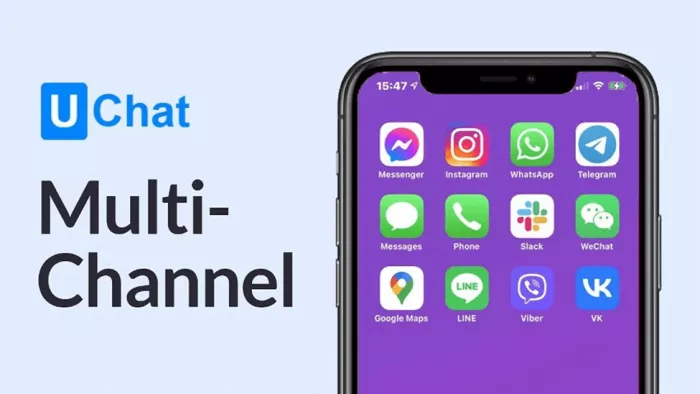
UChat is an omnichannel chatbot builder designed for small and medium businesses, with support for web, Messenger, WhatsApp, and other channels from one dashboard.
Why it stands out
● Strong channel coverage (web + popular messaging apps) for a unified automation strategy.
● Combines flows, AI responses, and third‑party integrations for sales, support, and notifications.
● Attractive for agencies that manage bots across multiple clients.
What to watch for
● Interface and setup can feel more complex than ultra‑simple “one‑page” chatbot tools.
● You need to actively manage channel limits, message templates, and platform policies (especially on WhatsApp).
Pricing snapshot
Free tiers or low‑cost starter plans are commonly available, then pricing steps up based on number of bots, channels, and monthly conversations.
Who should pick it
Small and mid‑size businesses, agencies, and local brands that need a single tool for web, WhatsApp, and social messaging automation.
Quick Comparison Table (Positioning Overview)
| Tool | Best For | Core Strength | Pricing Feel* |
| Botpress | Dev teams, complex workflows | Deep customization, multi‑channel | Free + scalable |
| ManyChat | Social & WhatsApp marketing | DM funnels, campaigns, automations | Low entry, scales |
| Tidio | Ecommerce support | Live chat + AI + helpdesk | SMB‑friendly tiers |
| CustomGPT | Enterprise knowledge bases | Document‑grounded, accurate answers | Higher‑tier B2B |
| Intercom | SaaS support & PLG | Unified inbox + AI + engagement | Premium, scales |
| Emergent | Advanced AI agents | Tool‑using agents, large context | Mid–high, team‑oriented |
| Chatbase | AI beginners | No‑code bots from your content | Affordable SMB |
| UChat | Omnichannel SMB automation | Web + messaging from one place | Flexible, usage‑based |
*Always check the latest pricing pages, as plans and limits change frequently.
Final Verdict: How to Choose Your Best AI Chatbot Tool
There’s no single “best AI chatbot” in 2026, there’s only the best fit for your stack, traffic, and team’s technical comfort. If you’re a technical team aiming for deep customization, Botpress or Emergent will give you the most control and extensibility. For ecommerce‑heavy workflows, Tidio (for support) and ManyChat/UChat (for marketing and messaging channels) hit the sweet spot. And if you need reliable, knowledge‑grounded answers, CustomGPT or Chatbase make it easy to turn your existing content into accurate AI assistants, while Intercom remains the premium option when you want AI embedded in a full customer engagement platform.
Comments