Table of Contents
AI automation is transforming the way we work, create, and grow businesses. From automating repetitive tasks to generating content instantly, AI tools help save time, reduce errors, and boost productivity. Whether you’re a professional, entrepreneur, or student, learning AI automation in 2026 is a game-changer for your career and personal efficiency.
1. What Are AI Automation Tools?
AI automation tools are software platforms that use artificial intelligence to perform tasks that usually require human effort. These tools can automate workflows, generate content, manage data, and even make decisions, depending on the complexity of the task.
Types of AI Automation
1. Workflow Automation: Connect multiple apps and automate repetitive tasks (e.g., Zapier, n8n).
2. Content Automation: Generate text, images, or other media automatically (e.g., ChatGPT, Jasper AI).
3. Robotic Process Automation (RPA): Automate rule-based enterprise tasks (e.g., UiPath, Automation Anywhere).
By learning these tools, you can increase productivity, reduce errors, and focus on higher-value work.
2. Why Learn AI Automation?
Learning AI automation opens doors to career growth, business efficiency, and personal productivity.
● Career Benefits: Roles like automation specialist, AI consultant, and workflow engineer are in high demand.
● Business Benefits: Reduce operational costs, improve workflow efficiency, and scale processes without hiring more staff.
● Personal Benefits: Enhance your skill set, stay ahead in the digital era, and save hours of manual work daily.
3. Key Features to Look for in an AI Automation Course
When choosing a course, consider these aspects:
● Hands-on projects: Learning by building real workflows is essential.
● Tool coverage: Does the course include popular AI tools? Does it require coding or is it no-code/low-code?
● Certification: A recognized certificate adds credibility.
● Skill Level: Courses should match your experience—beginner, intermediate, or advanced.
4. Top AI Automation Tools and Courses
Here’s a breakdown of the most popular AI automation tools, their features, benefits, and who they’re best suited for.
4.1 ChatGPT & AI Content Tools
How it Works:
ChatGPT and similar AI content tools use natural language processing (NLP) to understand user input and generate human-like text. They can answer questions, write articles, create social media posts, or even summarize documents.
Key Features:
● Conversational AI interface
● Content generation for blogs, social media, and marketing
● Summarization, brainstorming, and idea generation
Benefits:
● Saves time creating content
● Improves creativity and ideation
● Can handle repetitive writing tasks
Real-World Use Cases:
● Marketing teams generating social media posts quickly
● Students summarizing study material
● Businesses drafting emails, proposals, or reports
Best For: Content creators, marketers, students, business owners
Recommended Courses:
● Generative AI for Automation (Coursera)
● Complete Generative AI Tools & Automation (Udemy)
4.2 Zapier
How it Works:
Zapier connects multiple apps and automates workflows between them, creating “Zaps” that trigger actions automatically. For example, when you receive a new email, Zapier can save attachments to Google Drive and notify you on Slack automatically.

Key Features:
● Connects 5,000+ apps
● Automates repetitive tasks
● Easy no-code workflow creation
Benefits:
● Reduces manual work
● Saves time and increases efficiency
● Seamlessly integrates multiple platforms
Real-World Use Cases:
● Automating lead management between email and CRM
● Sending reminders when tasks are due
● Synchronizing files across cloud services
Best For: Small business owners, freelancers, productivity enthusiasts
Recommended Courses:
● Zapier Mastery for Automation (Udemy)
4.3 n8n
How it Works:
n8n is an open-source workflow automation tool that allows you to create custom workflows with full control. Unlike Zapier, it offers deeper flexibility for developers and tech-savvy users, supporting advanced API integrations.

Key Features:
● Open-source platform
● Customizable workflows
● API integrations and conditional logic
Benefits:
● Full control over automation
● Scalable workflows without vendor restrictions
● Can automate complex multi-step processes
Real-World Use Cases:
● Startups automating customer onboarding
● Developers integrating AI tools with databases
● Businesses creating complex task pipelines
Best For: Developers, tech-savvy professionals, startups
Recommended Courses:
● Build Advanced AI Workflows with n8n (Udemy)
4.4 UiPath (RPA)
How it Works:
UiPath is a Robotic Process Automation (RPA) tool that uses AI and pre-programmed scripts to perform repetitive enterprise tasks, such as processing invoices, generating reports, or handling customer queries.

Key Features:
● Task recording and playback
● AI-driven automation
● Enterprise-ready with secure workflow management
Benefits:
● Automates large-scale repetitive tasks
● Reduces errors and increases accuracy
● Highly scalable for enterprises
Real-World Use Cases:
● Banks processing hundreds of invoices daily
● HR departments managing employee onboarding
● Customer service teams automating ticket handling
Best For: Enterprise employees, IT professionals, business analysts
Recommended Courses:
● UiPath Academy (Free, Beginner to Advanced)
4.5 LangChain & AI Agent Platforms
How it Works:
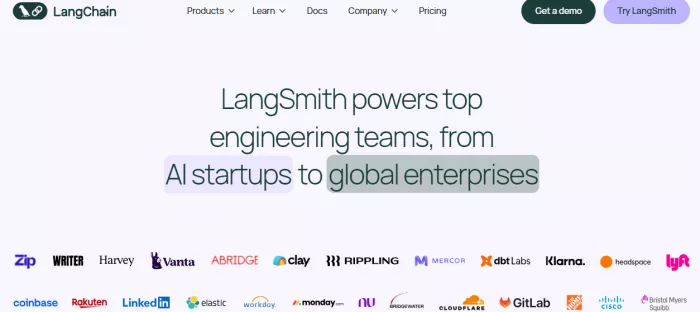
LangChain and similar AI agent platforms allow users to build AI agents that can interact with multiple applications, make decisions, and perform complex workflows automatically.
Key Features:
● Build intelligent AI agents
● Connect AI models to external tools and APIs
● Automate decision-making processes
Benefits:
● Enables sophisticated automation
● Handles complex multi-step workflows
● Reduces dependency on manual intervention
Real-World Use Cases:
● Automating customer support with intelligent AI agents
● AI agents managing sales pipelines and follow-ups
● Creating autonomous content generation systems
Best For: Developers, AI enthusiasts, tech startups
Recommended Courses:
● Generative AI Automation Tools and Applications (Coursera)
5. How to Choose the Right Course
To pick the best course for you:
1. Assess your skill level: Beginner, intermediate, or advanced.
2. Define your goal: Career growth, business automation, or personal learning.
3. Consider course format: Video lectures, hands-on projects, quizzes, and certifications.
6. Tips for Getting the Most Out of Your Course
● Practice: Build real automation workflows as you learn.
● Join communities: Forums, Discord groups, and online communities provide support and inspiration.
● Stay updated: AI tools evolve fast; continuous learning is key.
● Mix courses: Combine beginner and advanced courses to broaden your skills.
7. Future of AI Automation Learning
The future is bright for AI automation:
● Emerging tools: New AI platforms with better integrations and user-friendly interfaces are arriving rapidly.
● High demand: Businesses increasingly require automation experts.
● Lifelong learning: Keeping skills updated is crucial to remain competitive in the AI era.
8. Conclusion
AI automation is no longer a luxury, it’s a necessity for professionals, businesses, and creatives. By learning the right tools, you can save time, boost productivity, and unlock new opportunities. Start with beginner-friendly courses, explore real-world applications, and keep upgrading your skills. The sooner you embrace AI automation, the faster you’ll experience its transformative benefits.
Comments