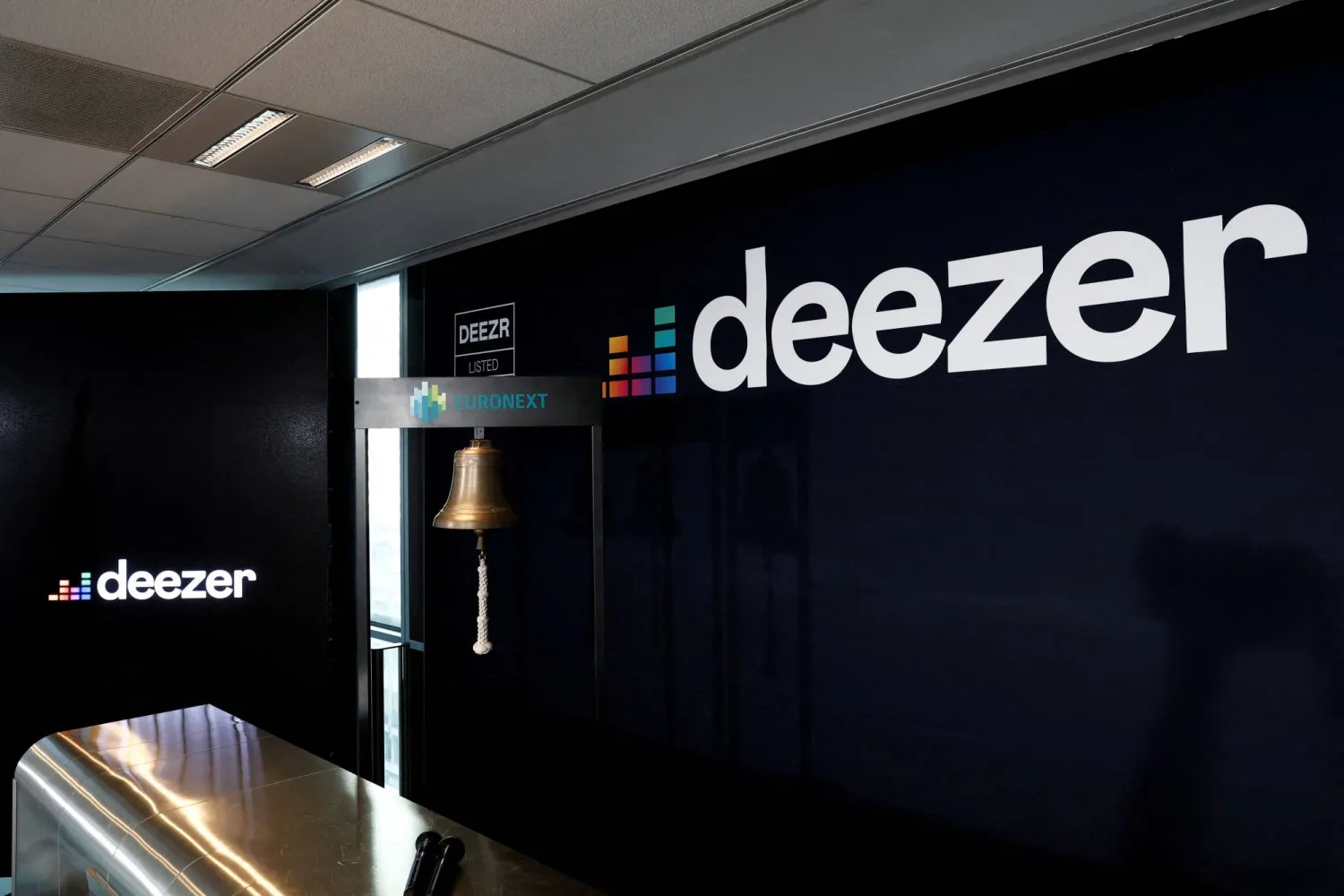
Deezer has launched a free online AI music detector that lets listeners scan playlists from other streaming platforms, including Spotify, Apple Music, YouTube Music, SoundCloud and others.
The tool, announced on June 11, 2026, is designed to help users identify whether their playlists contain fully AI-generated tracks. It supports 27 languages and works with playlist libraries from around 20 major streaming platforms. Users select their streaming service, authorize access, import playlists and then let Deezer scan the tracks for suspected AI-generated music.
The launch turns AI music detection into a consumer feature, rather than a behind-the-scenes moderation tool used only by streaming companies. For Deezer, it also strengthens a broader campaign around AI labeling, royalty protection and streaming-fraud prevention at a time when synthetic music is entering platforms at scale.
The timing is important. AI music is no longer a fringe experiment. Generative tools can now produce full songs, synthetic vocals and genre-specific tracks quickly enough to affect the streaming economy. Deezer’s new detector is a sign that the music industry is moving from asking whether AI songs exist to asking how listeners, artists and platforms should identify them.
How Deezer’s detector works
The tool is built to identify fully synthetic music by analyzing audio patterns associated with AI-generated tracks. Deezer says its technology can detect music created by major AI music tools such as Suno and Udio, and can expand to other generators when enough data becomes available.
The process is simple for users. They do not need a Deezer account, but they do need to give the tool permission to access the playlist library from the selected streaming service. Once the playlist is imported, Deezer scans the tracks and flags any songs it identifies as fully AI-generated.
The results are informational. Deezer does not remove tracks from a user’s Spotify, Apple Music or YouTube Music playlist. If users want those songs gone, they must delete them manually from the original platform.
That limitation is important because Deezer is not controlling rival streaming services. It is giving listeners a way to see what may already be inside their playlists. In effect, Deezer is placing a transparency layer over music libraries that other platforms have not yet opened to the same kind of public scanning.
Why Deezer is moving aggressively
Deezer says the scale of AI music uploads has become too large to ignore. The company says it receives nearly 75,000 fully AI-generated tracks every day, representing more than 44% of total daily music delivery to its platform.
The company has also said it detected and tagged more than 13.4 million AI tracks in 2025. That number shows how quickly the issue has moved from a curiosity to a platform-management problem.
The bigger concern is not only volume. Deezer says fully AI-generated music represents only a small share of listening on its service, but a large portion of streams on fully AI-generated tracks in 2025 were linked to fraudulent activity. When Deezer detects stream manipulation, it excludes those streams from royalty payments.
That is why the detector matters beyond consumer curiosity. Synthetic tracks can be used to manipulate streaming systems, fill playlists cheaply or divert royalty pools away from human artists. If platforms cannot identify those tracks, they may struggle to protect payouts, recommendation quality and listener trust.
Deezer is setting itself apart from rivals
Deezer has taken a more forceful public position on AI music than many larger rivals. On its own platform, the company tags AI-generated tracks, removes them from algorithmic recommendations and excludes them from editorial playlists.
The new public detector extends that approach outside Deezer’s own app. Instead of waiting for Spotify, Apple Music, YouTube Music or other services to build similar playlist-scanning tools, Deezer is giving users a way to check their libraries directly.
That is also a competitive move. The company has said that a significant share of users joining Deezer from rival platforms already have AI-generated music in their imported playlists. By offering a free detector, Deezer is positioning itself as the streaming service most willing to confront the synthetic music problem openly.
The Verge and other outlets have noted that Deezer previously offered its AI-detection technology to other platforms, but the wider industry has not adopted it quickly. The public tool changes the route. Deezer is now going directly to listeners.
Listeners may not notice the difference
Deezer’s own research helps explain why labeling has become so important. In a survey conducted with Ipsos across eight countries, Deezer found that most respondents could not reliably tell the difference between fully AI-generated music and human-made music in a blind test. At the same time, a large majority agreed that fully AI-generated music should be clearly labeled.
That tension is central to the streaming debate. AI music can sound convincing enough that listeners may not notice it, but many still want to know whether what they are hearing was made by humans or generated entirely by software.
This is not only about taste. Music carries emotional, cultural and economic value. Fans often care about the artist behind a song, the performance, the writing process and the human story attached to it. If synthetic tracks enter playlists without clear labels, listeners may feel misled, especially when those songs are placed beside human-made work.
The royalty question is getting sharper
The rise of AI-generated music also creates a royalty problem. Streaming payouts are already thin, and artists have long complained about how revenue is divided. If large volumes of synthetic tracks enter the system, even a small share of listening can raise concerns about dilution.
Deezer’s position is that fully AI-generated music should not be allowed to quietly absorb recommendation space or royalty pools without transparency. The company’s detection and tagging system is partly about protecting catalog quality, but it is also about protecting the economics of human-created music.
That concern is shared across the wider music industry. Labels, publishers, collecting societies and artist groups are all trying to understand how AI music should be licensed, labeled, paid for and moderated. Detection technology is one part of that puzzle. Without it, platforms cannot easily enforce rules or measure how much synthetic content is flowing through the system.
A tool for consumers and the industry
Deezer is also licensing its detection technology to the wider music industry. The company is targeting distributors, rightsholders, collecting societies and digital service providers that want to identify AI-generated uploads, reduce fraud risk, protect catalog quality and guide payout decisions.
That commercial strategy shows that Deezer sees AI detection as infrastructure, not only a feature. As AI music grows, detection tools may become as important to streaming platforms as copyright fingerprinting systems became to video and music uploads in earlier eras.
The public detector could help Deezer build credibility around that infrastructure. If listeners use it and understand the results, Deezer strengthens its role as one of the companies defining how AI music should be handled.
The next streaming fight is about trust
Deezer’s free AI music detector is not going to remove synthetic tracks from the internet. It will not settle copyright lawsuits, artist-payment disputes or the broader debate over whether AI-generated music belongs in the same pools as human-made songs.
But it does shift the conversation toward transparency. If AI music is going to exist on streaming platforms, users may expect to know when they are hearing it. Artists may expect platforms to identify it. Rights holders may expect systems that can separate legitimate uploads from synthetic spam and fraudulent streams.
For Deezer, the launch is both a consumer tool and a public challenge to rivals. It is telling listeners that AI music is already inside the streaming ecosystem, and it is telling the industry that detection should not remain invisible.
The bigger message is clear: the streaming era is entering a new trust test. As synthetic music becomes easier to make and harder to recognize, platforms will be judged not only by how much music they offer, but by how clearly they explain what that music is.
Comments