Exploring the Best AI Writing Tools Beyond NovelAI in 2026
Artificial intelligence has transformed the landscape of creative writing. What once required hours of solitary thought and arduous drafting can now be aided, enhanced, and imagined in collaboration with advanced AI models. NovelAI has emerged as one of the most celebrated tools in this space, offering writers a powerful engine for generating narratives, building worlds, and experimenting with style and voice. Yet as impressive as NovelAI is, many writers today are exploring alternatives whether to find a better match for their style, to enjoy more flexible pricing, to access unique features, or simply to expand their creative toolkit.
This article delves into what NovelAI is, why many creators consider alternatives, and provides comprehensive, in‑depth profiles of the top AI tools that are shaping the future of storytelling in 2026. You’ll find narrative comparisons, feature breakdowns, pricing insights, strengths and shortcomings, and expert guidance on choosing the right platform for your creative journey.
What Is NovelAI: At a Glance
NovelAI is an AI‑driven storytelling platform that blends creative text generation with personal control over narrative elements. Launched with an emphasis on fiction, roleplay, and flexible imaginative writing, it allows users to start a story and let the AI continue, tailoring narrative flow, character arcs, and world events with minimal friction. One of its defining features is the Lorebook, which stores details like character traits, locations, and plot threads; this memory component helps maintain consistency in longer works. Additionally, NovelAI offers text‑to‑image generation, enabling creators to see imagined scenes and characters come to life visually alongside the text.
From beginner writers to experienced authors, many users appreciate NovelAI’s capacity for immersive prose and creative freedom. Yet that very freedom including the ability to generate uncensored or adult‑oriented content means the platform isn’t always the best fit for everyone, especially those seeking structured writing aids, integrated dialogue tools, or more affordable options.
Why Creators Look Beyond NovelAI
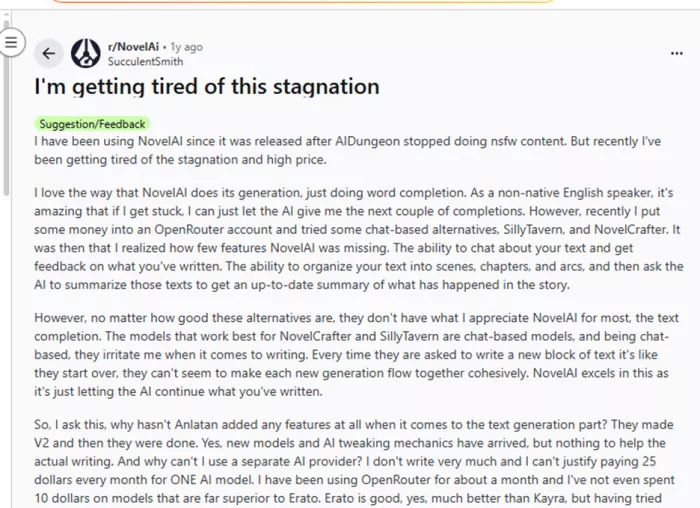
Despite its strengths, several themes recur among writers who explore other tools: Many users find NovelAI’s monthly subscription costs add up, especially if they subscribe to higher plans for increased memory or regular creative use.(Reddit)
In some cases, writers want strong editorial assistance suggestions for plot structure, refined descriptions, or builtin outline tools rather than purely generative text completion. Others crave interactive storytelling, where the AI actively responds to choices like a dynamic narrative partner, or better dialogue creation tools that feel distinct from pure narrative prose.
Technical factors also influence decisions. For instance, some users find NovelAI’s memory window limiting for extremely long projects, while others seek free or open‑source tools they can run locally for privacy and cost savings. Collectively, these motivations fuel a vibrant ecosystem of alternatives tailored to diverse creative needs.(Reddit 2)
Sudowrite: Narrative Crafting for Fiction Writers
Sudowrite https://sudowrite.com/ positions itself as something more akin to a creative partner than a basic text generator. Its interface and features are built around aiding writers during the entire novel crafting process helping with sensory descriptions, plot expansion, rewriting, brainstorming, and structured writing assistance. What sets Sudowrite apart is its suite of tools designed to enhance the writer’s own prose rather than simply continue it.
Unique capabilities include the Describe feature for vivid scene elaboration, Expand for enriching small fragments into full paragraphs, and Brainstorm for proposing fresh plot directions. A central hub known as the Story Bible helps you track characters, locations, timelines, and thematic arcs all in one place, making it especially attractive for long‑form writers.
In terms of pricing, Sudowrite offers tiered subscription plans with varying word allowances and feature sets. For example, entry‑level plans begin around $10 per month, with more professional tiers extending into higher monthly costs.
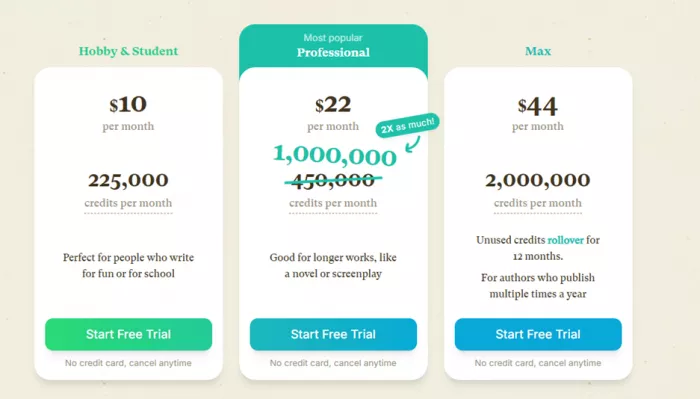
The platform’s strengths lie in its structural guidance and rhetorical finesse, acting almost like a collaborative editor that learns your style. Its limitations include a steeper learning curve for beginners and comparatively less focus on interactive or branching storytelling styles.
AI Dungeon: Choose‑Your‑Own‑Adventure Storytelling
AI Dungeon https://aidungeon.com/ reimagines creative writing as an interactive narrative experience. Instead of producing continuous prose in a single voice, it frames storytelling as an adventure driven by your choices. Select your setting, define your character, and watch as the AI builds a world that responds dynamically to every decision you make. This makes it ideal for creators who enjoy role‑playing, branching storylines, and emergent plot developments.
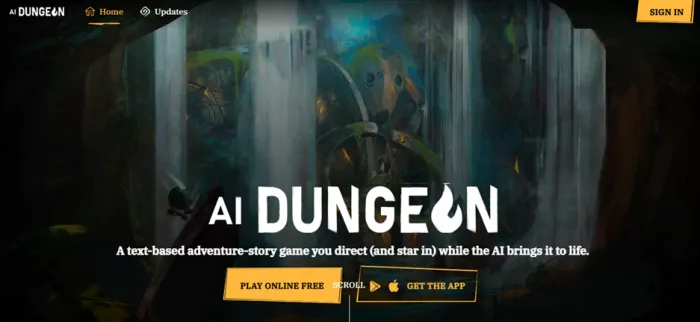
Unlike traditional narrative tools, AI Dungeon thrives on variability and exploration. You’re not simply asking the AI to write the next paragraph; you’re engaging with an evolving world: characters react, environments shift, and plot threads bend based on your inputs. This interactivity gives AI Dungeon a distinct personality and makes it feel more like a text adventure game powered by a sophisticated AI.
The platform offers tiered plans ranging from free basic access to premium subscriptions with more advanced AI models and capabilities. This structure allows creators to experiment before committing to a paid plan. Still, its strength in open‑ended exploration means it may sometimes produce repetitive or unpredictable outputs compared to more structured tools.
Jasper AI: Versatile Power for Writing Beyond Stories
https://www.jasper.ai/ While Sudowrite and AI Dungeon focus primarily on fiction, Jasper AI occupies a broader space where storytelling intersects with professional writing. Known widely among marketers, bloggers, and creative professionals, Jasper offers templates for everything from blog posts and email campaigns to character descriptions and narrative prompts.
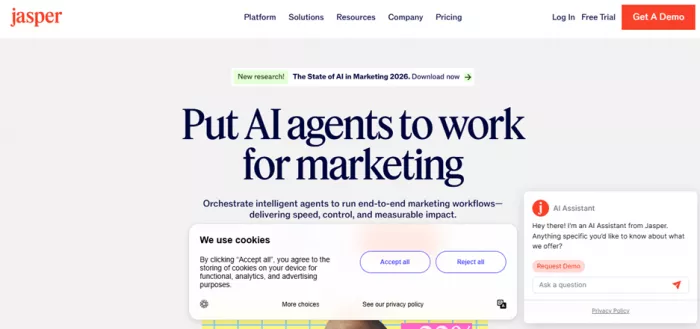
On the storytelling front, Jasper’s ability to adopt different tones and styles combined with features like brand voice customization makes it useful for character dialogue, thematic exploration, and narrative pacing. It doesn’t have a dedicated novel editor or story memory like Sudowrite, but it compensates with responsiveness and versatility.
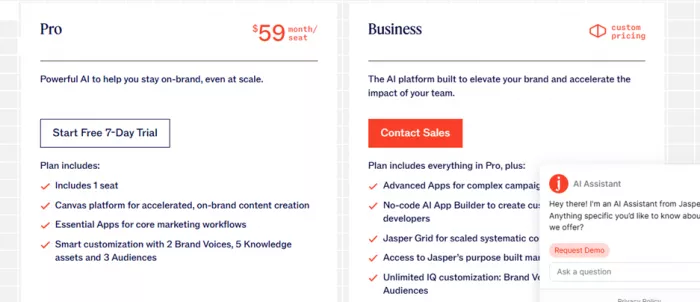
Jasper’s pricing is generally higher than many storytelling‑focused tools, reflecting its broader feature set geared toward professional content workflows. Writers who need one platform for fiction and non‑fiction work often find this multi‑purpose approach beneficial.
Rytr: Budget‑Friendly Creativity for Emerging Writers
https://rytr.me/ For many creative enthusiasts, subscription costs are a barrier to frequent AI use. Rytr addresses this by offering a more affordable entry point into AI‑assisted writing. With a minimalist interface and streamlined workflow, it allows users to generate narrative segments, continue stories, and experiment with creative prompts without a heavy investment.
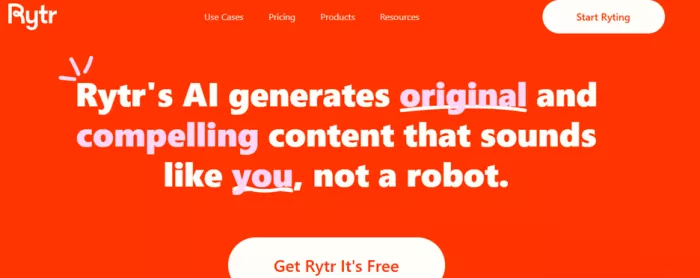
Rytr includes tone selection, formatting tools, and multiple writing templates not as deep as Sudowrite’s holistic features but powerful enough for short stories, character sketches, or draft scenes. Its pricing typically includes a free tier with a monthly character limit, and affordable paid plans that expand usage allowances.
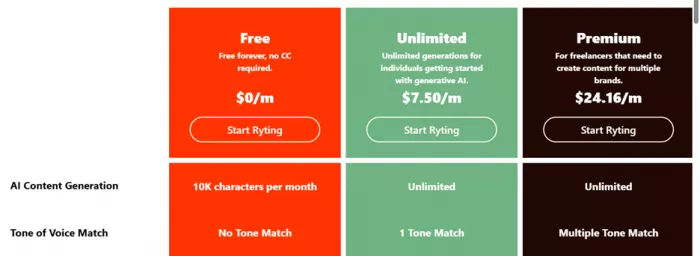
The main limitation of Rytr is that it doesn’t match the narrative depth of dedicated fiction tools. Nonetheless, it represents an excellent starting point for writers testing the waters of AI creativity.
Character AI and ChatFAI: Dialogue‑Driven Storytelling
Tools like Character AI https://character.ai/ or variants such as ChatFAI https://chatfai.com/ bring a unique dimension to creative writing by emphasizing character interactions. These platforms allow you to create custom characters defining traits, backgrounds, and dialogue styles and then conversing with them directly. Such interactions can be a goldmine for generating realistic dialogue, personality quirks, or character‑based plot ideas.
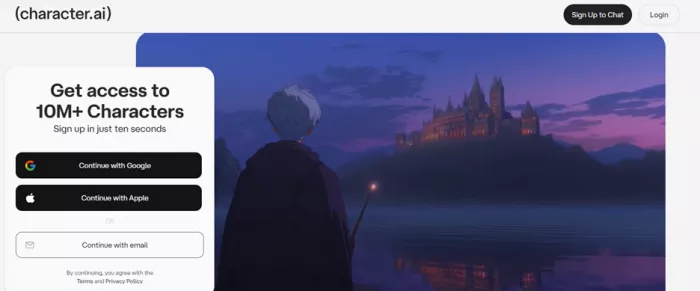
Rather than producing solitary narrative text, these tools shine when you want believable conversations and rich character voices. Pricing models typically include a freemium base with optional premium upgrades for priority access and enhanced features.
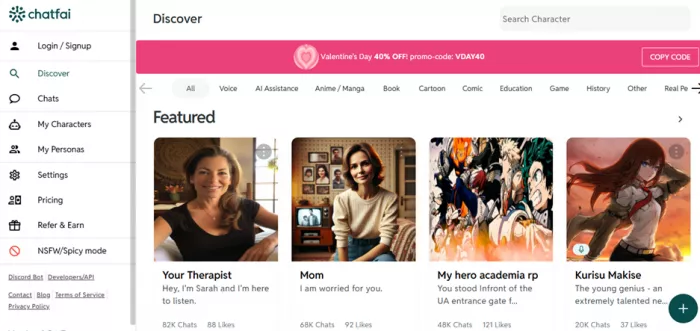
Their primary strengths lie in roleplay‑style engagement and character immersion. However, they may not be ideal as standalone platforms for full novel generation, especially in projects requiring structured, long‑form prose.
Other Noteworthy Alternatives
While the tools above represent the most widely discussed platforms, there are additional creative engines worth mentioning. Open‑source options such as KoboldAI can be run locally without subscription costs, offering privacy and customization for technically inclined writers. Other narrative engines provide template‑based storytelling, structured worldbuilding aids, or community‑driven content creation making the ecosystem rich and varied for every type of creative.
Choosing the Right AI Tool for Your Writing
Selecting the best AI storytelling tool depends on your goals and workflow. If you value deep narrative assistance and editorial guidance, Sudowrite’s feature set will feel like a collaborative editor. If your aim is interactive worlds and emergent stories, AI Dungeon’s dynamic advancement wins. For those who want versatility across professional and creative writing, Jasper offers a powerful all‑purpose tool. Budget‑friendly options like Rytr strike a balance between affordability and creativity, while Character AI platforms shine in dialogue and character development.
Consider your familiarity with AI tools, the type of stories you want to tell, your budget, and how much structural guidance you need. Pilot free plans were available, and remember that many creators combine multiple tools to cover different creative needs, for example, using one platform for plotting and another for polish.
Conclusion: Finding Your Creative Companion
AI is no longer a novelty in writing, it's a creative partner, a source of inspiration, and an amplifier of imagination. NovelAI helped bring this potential into focus, but the expanding ecosystem of alternatives allows each writer to tailor their toolkit to fit their voice, style, and objectives. Whether you’re drafting your first scene, sculpting character arcs, or crafting epic sagas, there’s an AI tool waiting to collaborate with you.
Above all, remember that AI amplifies your creativity, it does not replace it. The best outcomes arise when you guide the technology not the other way around.
FAQs: What Readers Often Want to Know
What makes NovelAI different from other AI writing tools?
NovelAI combines narrative text generation with features like memory (Lorebook) and integrated image generation, offering flexible creative freedom without heavy content filters.
Can I use free alternatives instead of paid AI platforms?
Yes. Tools like Character AI have free tiers, and open‑source engines like KoboldAI can be run locally without subscription. However, free tools may lack advanced features or performance.
Are these tools good for professional writers?
Many are. Sudowrite and Jasper, in particular, are used by novelists and professionals thanks to their structured writing assistance and versatility.
Is interactive storytelling the same as traditional writing?
Not exactly. Interactive tools like AI Dungeon focus on choice‑based narrative paths rather than linear prose, making them ideal for games and dynamic plots.
Can I export my work from these platforms into a book or manuscript format?
Most tools allow exporting text to common formats, but the workflow varies. Some focus on IDE‑style writing (chapter organization), while others provide simple text outputs.
Comments