There’s a certain type of tool that doesn’t just help you work faster, it actually changes how you think about the work itself. Haiper AI was one of those tools, at least for a while. It wasn’t just another AI experiment sitting in a crowded space. It felt like something that could realistically replace parts of the creative process, especially for people who were tired of spending hours editing videos just to get something usable.
The appeal was immediate. You type an idea, you wait a few seconds, and suddenly you’re looking at a clip that feels like it skipped several layers of effort. For creators who were juggling multiple platforms or trying to keep up with constant content demands, that kind of speed wasn’t just convenient, it was addictive.
That’s what made everything that followed feel so strange.
What Haiper Was Actually Trying to Solve
Most people think AI video tools are about making things look better. That’s not really the core problem they’re solving. The real problem is friction. It’s the time between having an idea and actually seeing it come to life.
Haiper AI tried to remove that gap almost entirely. Instead of timelines, layers, and manual edits, it offered something much simpler. You describe what you want, and the system attempts to generate it. Text becomes motion. Images become animated scenes. Even existing videos could be reshaped visually without going through traditional editing steps.
That shift matters more than it sounds. It turns video creation from a technical process into a conceptual one. You’re no longer thinking about how to build something. You’re thinking about what you want to see.
And for a lot of people, that felt like a breakthrough .
The Early Experience Felt Better Than It Should Have

When people first used Haiper, the reaction was often the same. It wasn’t disbelief, but it was close. The outputs weren’t perfect, but they were good enough to feel useful almost immediately. Lighting looked intentional, motion felt somewhat natural, and the overall aesthetic gave the impression of something more polished than expected.
That initial impression created a kind of momentum. Creators started building around it. Not just experimenting, but actually incorporating it into workflows. Some used it for quick concept visuals, others for social content, and a few even tried pushing it toward more structured projects.
For a short time, it looked like Haiper had found a balance that most tools struggle with. It was simple enough for beginners but powerful enough to feel meaningful.
Where Things Started to Break Down
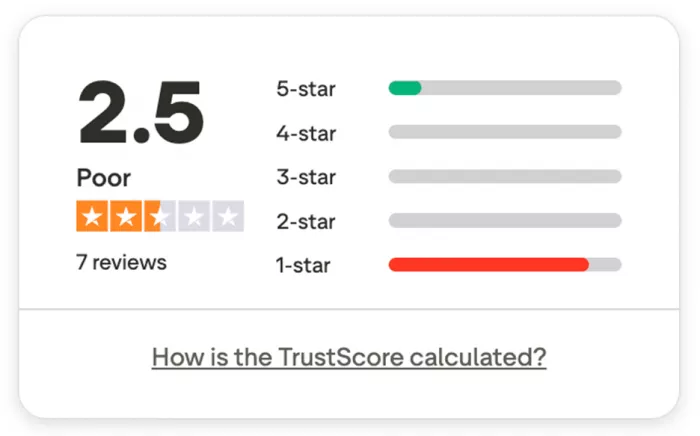
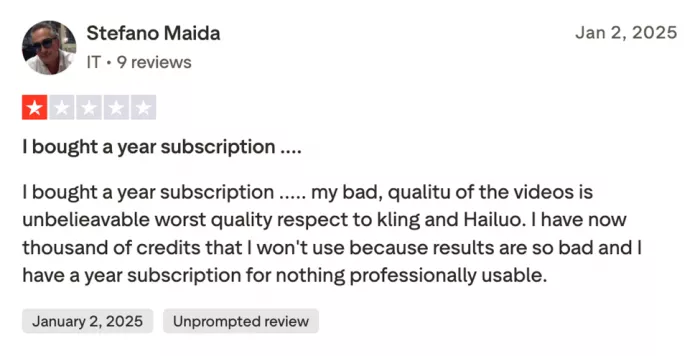

The problem with tools that create strong first impressions is that they also set high expectations. And over time, those expectations started clashing with reality.
The first issue was consistency. While individual clips could look impressive, connecting multiple scenes into something cohesive was much harder. Small differences in lighting, tone, or composition would start to show. It didn’t feel like building a video. It felt like assembling fragments that didn’t fully belong together.
Then came the unpredictability. Prompts didn’t always translate the way users expected. Slight changes in wording could produce completely different outputs. That meant more trial, more regeneration, and more time spent adjusting things that were supposed to be automatic.
None of these issues were unique to Haiper. They reflect broader limitations in generative video models. But when you combine them with rising expectations, they become much more noticeable .
The Confusing Phase Nobody Really Explained
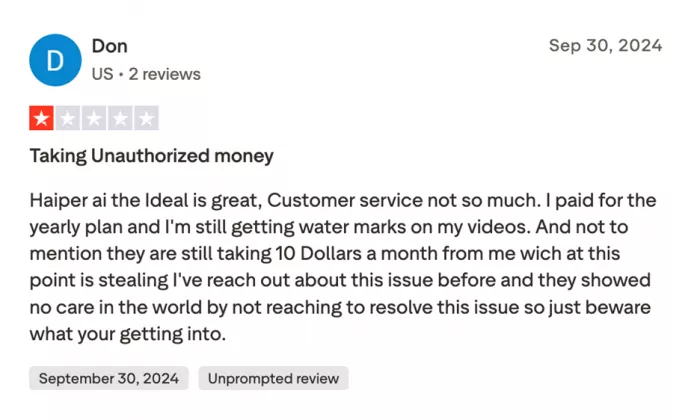
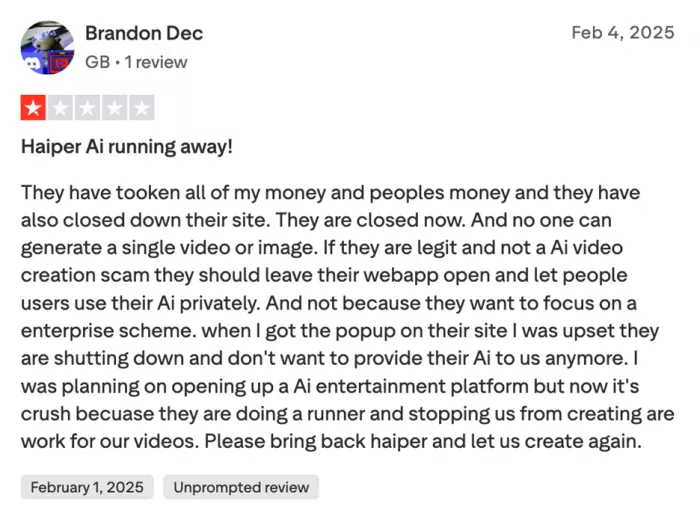
At some point, the conversation around Haiper shifted from performance to accessibility. Users began reporting that the platform wasn’t behaving normally. Some couldn’t access the interface at all. Others saw only a static page with no working features.
What made this situation worse wasn’t just the issue itself. It was the lack of clarity around it. There was no clear communication explaining whether the platform was down, changing, or being phased out.
For users who had already invested time or money into the tool, that silence created uncertainty. It’s one thing for a tool to have limitations. It’s another for it to become unreliable without explanation.
What Was Happening Behind the Scenes
As more information surfaced, the situation started to make more sense, even if it didn’t feel any better from a user perspective.
The consumer version of Haiper AI appears to have been deprioritized as the company shifted focus. Parts of the team moved into larger AI ecosystems, and the underlying technology began transitioning toward different use cases. Instead of building a creator-facing product, the direction seemed to lean toward enterprise or integration-based applications .
From a business standpoint, this is not unusual. Many AI startups begin with consumer tools but eventually pivot toward larger, more scalable opportunities.
From a creator standpoint, it feels like losing access to something you were just starting to rely on.
Why Creators Adapted So Quickly
One thing that stands out in situations like this is how quickly people move on. It’s not because they don’t care about the tool. It’s because they can’t afford to wait.
Content creation, especially at scale, depends on consistency. If a tool becomes unpredictable or unavailable, it introduces risk into the workflow. And most creators would rather switch tools than deal with uncertainty.
That’s exactly what happened here. Alternatives weren’t necessarily better in every way, but they were stable. They worked when needed, and that alone made them more valuable in the long run .
What Haiper Still Got Right
Even with everything that went wrong, it’s worth acknowledging what Haiper did well. It showed how close AI video generation is to becoming genuinely usable for everyday creators. Not as a novelty, but as a real part of the process.
The speed, the accessibility, and the shift toward prompt-based creation all point in a clear direction. Video creation is becoming less about technical execution and more about creative intent.
Haiper wasn’t perfect, but it was a strong indicator of where things are heading.
The Bigger Picture Most People Miss
It’s easy to look at this situation and focus only on the tool itself. But the more important takeaway is about the environment these tools exist in.
AI platforms are evolving quickly, and many of them are still figuring out where they fit. Some will grow into stable products. Others will pivot or disappear as priorities change.
That means users have to think differently as well. Relying too heavily on a single platform, especially one that is still evolving, carries risk.
Final Thoughts
Haiper AI didn’t fail in the traditional sense. It didn’t collapse because the idea was flawed. If anything, the idea was ahead of where the ecosystem was ready to support it consistently.
What actually happened is more subtle. The tool showed promise, gained attention, and then shifted direction before it could fully mature into something reliable for everyday users.
For those who used it, the experience was a mix of excitement and frustration. It felt like a glimpse of something powerful, followed by the realization that it wasn’t ready to stay.
And maybe that’s the most accurate way to describe it.
Not as a finished product, but as a preview of what’s coming next.
Comments