Online dating has made meeting people easier than ever. At the same time, it has introduced a new layer of uncertainty into relationships. One common concern is whether someone is secretly active on dating apps while in a committed relationship.
That concern is exactly what tools like Cheaterbuster AI attempt to address.
Cheaterbuster AI presents itself as a search tool designed to reveal whether someone has an active Tinder profile. Instead of creating a Tinder account and manually swiping through profiles, users can supposedly search for a person using basic information such as their name, age, and location.
The promise is simple. Enter a few details and the platform will identify whether that person appears on Tinder.
But does the tool actually work as advertised, and how reliable are its results? To understand that, it is important to look at how Cheaterbuster AI operates, what users report about it, and what alternatives exist.
What Cheaterbuster AI Actually Does

At its core, Cheaterbuster AI functions as a specialized people search engine focused on Tinder profiles.
The service claims to scan Tinder data and identify profiles that match the information provided by the user. Instead of browsing through the app yourself, the platform attempts to automate that search process.
Users typically provide the following details when running a search:
- First name
- Approximate age
- Current city or region
- Optional photo upload
Once the search begins, the platform analyzes available Tinder profiles that match those criteria. If a potential match is found, the results may include:
- Profile pictures
- Bio descriptions
- Age listed on the profile
- Visible linked social media accounts
- Estimated location
The service emphasizes that it works independently from Tinder. It is not affiliated with the dating platform and does not require access to a user’s Tinder account.
Instead, the system relies on its own indexed data and matching algorithms to locate profiles that resemble the search input.
How Cheaterbuster AI Finds Profiles
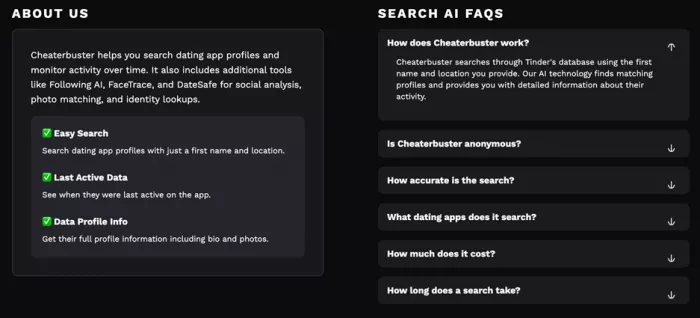
Although the platform markets itself as an artificial intelligence tool, its search process resembles a combination of database indexing and image comparison technology.
The process generally happens in four stages.
Entering search information
Users begin by entering basic identifying details. The more precise these details are, the higher the chance that the system will locate a relevant profile.
For example, a search that includes an uncommon name and a small city is far easier to match than a search for a common name in a large metropolitan area.
Database matching
After receiving the information, the platform scans its stored Tinder profile data. It attempts to locate profiles that match the name, age range, and geographic area entered by the user.
Structured fields such as distance and age help narrow the search.
Facial recognition comparison
If the user uploads a photo, the system performs facial recognition comparisons between that image and profile pictures within its dataset.
This feature attempts to identify profiles with similar facial features.
Report generation
Once possible matches are identified, the platform generates a report displaying profiles that appear to correspond with the search criteria.
The results typically appear within a few minutes, though the accuracy of those results depends heavily on how specific the search information is.
Features Offered by Cheaterbuster AI
Cheaterbuster AI highlights several tools that attempt to make the search process easier.
Tinder profile search

The core feature focuses on identifying Tinder accounts linked to a person’s name, age, and location.
This allows users to check whether someone appears to have an active Tinder profile without opening the app themselves.
FaceTrace image search

Users can upload a photograph of the person they are searching for.
The system compares the uploaded image against profile pictures in its database to locate visually similar faces.
Profile preview information
If the system identifies potential matches, the report may display details such as:
- Profile photos
- Biography text
- Age listed on the account
- Distance from the searched location
Some reports also include links to connected Instagram accounts when they appear publicly on the Tinder profile.
Anonymous searches
One notable feature is that searches are performed anonymously. The person being searched does not receive any notification.
Users can perform searches without logging into Tinder or creating an account on the dating platform.
Pricing Structure
Cheaterbuster AI operates on a pay per search model rather than offering unlimited monthly access.
Users must pay before receiving the results of a search.
| Package | Searches Included | Price |
| Single search | 1 search | about $17.99 |
| Two search bundle | 2 searches | about $29.99 |
| Three search bundle | 3 searches | about $34.99 |
Because the payment happens before results are shown, users cannot preview whether a search is likely to succeed.
Refund policies appear limited, which is a common point of criticism in user feedback.
How Accurate Are the Results?
The platform advertises high accuracy rates, sometimes claiming success rates close to 99 percent under ideal conditions.
Real world experiences suggest the results are more inconsistent.
When the search criteria are very specific, the tool can sometimes identify the correct Tinder profile. This usually requires a combination of:
- Correct age
- Accurate location
- Unique name
- Clear facial photo
However, accuracy tends to decrease when the input data becomes less precise.
Common issues that reduce accuracy include:
- Searching for very common names
- Incorrect age estimates
- Users who recently changed cities
- Deleted Tinder profiles
- Poor quality or outdated photos
In these cases the system may either fail to locate a profile or display profiles belonging to different individuals.
What Reviews and User Feedback Reveal
User reviews provide one of the clearest pictures of how the platform performs in practice.
The feedback is mixed and sometimes strongly divided.
Positive user experiences
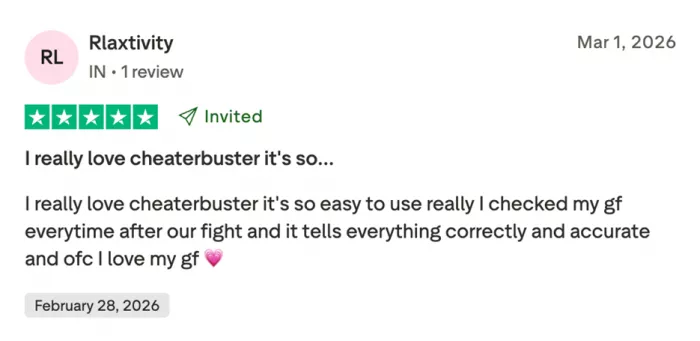
Some users report that the platform successfully identified Tinder profiles that they were unaware of.
These users often highlight the speed of the search process and the convenience of not needing to create a Tinder account.
In certain cases people claim that the tool helped them confirm suspicions about partners who were still using dating apps.
These reviews tend to emphasize the usefulness of the platform when the search information is accurate.
Negative experiences and complaints
A large number of negative reviews focus on reliability and billing issues.
Several recurring complaints appear across review platforms.
Incorrect profile matches
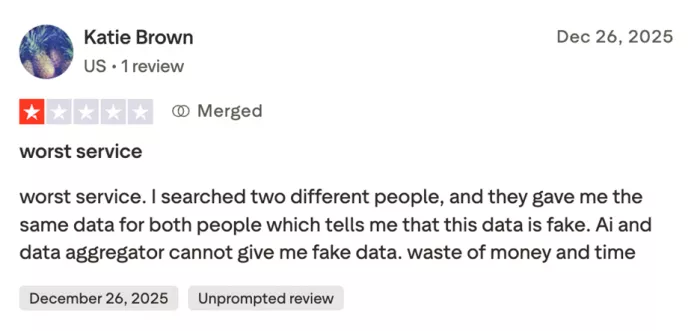
Some users say the search results showed profiles that clearly belonged to different individuals.
This often happens when the system matches common names with incorrect photos.
Missing profiles
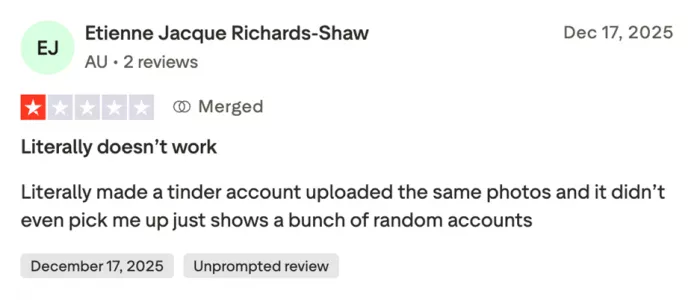
Other users claim that the tool returned no results even though the person they searched for had an active Tinder account.
This raises questions about how complete the platform’s data actually is.
Payment disputes
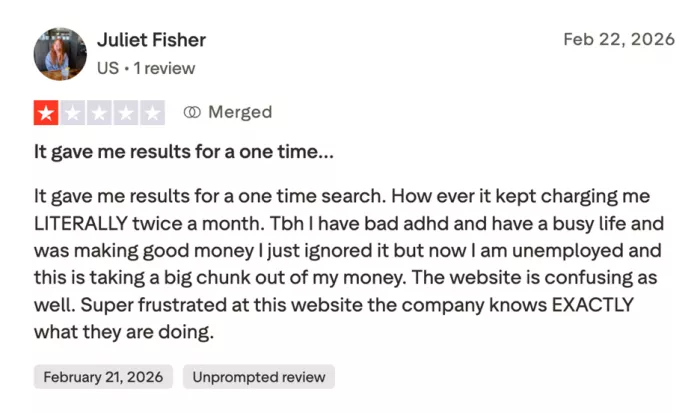
Because payment occurs before results are shown, some users feel frustrated when a search produces no useful information.
A number of reviewers claim refunds are difficult to obtain.
Customer support concerns

Another frequent criticism involves slow or limited responses from the support team when users request help or dispute charges.
Across review platforms such as Trustpilot, ratings appear mixed with many low score reviews alongside occasional positive experiences.
Privacy and Ethical Questions
Tools like Cheaterbuster AI raise important ethical questions.
The service relies heavily on facial recognition and data aggregation technologies that can analyze personal images and online profiles.
Several concerns are often discussed in relation to platforms like this.
Facial recognition privacy
Uploading someone’s photo means sending biometric data to a third party system.
It is not always clear how long those images are stored or how they might be used later.
Lack of transparency
The platform provides limited public information about how its data is collected or how frequently the database is updated.
Without that transparency, it is difficult to verify how complete the search results really are.
Consent concerns
The person being searched does not know that their information is being analyzed.
Some critics argue that this type of hidden investigation may cross ethical boundaries.
Potential misuse
Although many people use the tool for relationship concerns, similar technology could potentially be used for stalking or harassment.
These issues contribute to ongoing debates about the responsible use of facial recognition technology.
Alternatives to Cheaterbuster AI
Several other platforms attempt to locate online identities or analyze digital profiles.
Although they do not focus exclusively on Tinder, they provide related investigative tools.
Social Catfish
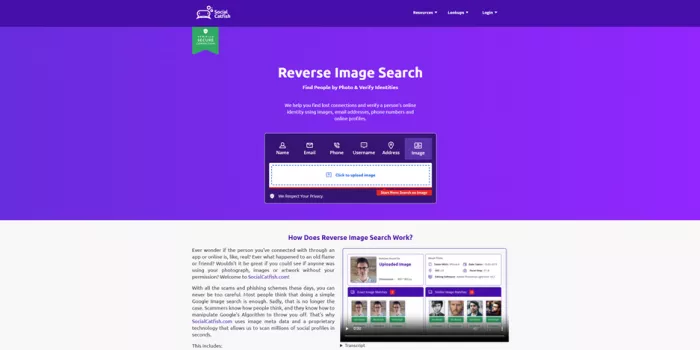
Social Catfish is one of the most widely known identity search services.
Instead of focusing on dating apps, the platform scans a wide range of online data sources including social media accounts, public records, and phone numbers.
Users can search using:
- Email addresses
- Phone numbers
- Images
- Usernames
The service is often used for verifying online identities and detecting catfishing scams.
PimEyes
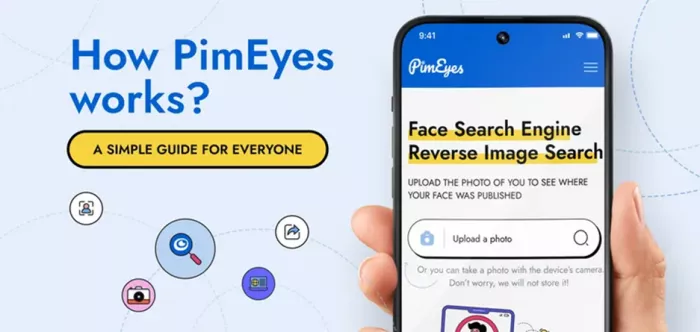
PimEyes is a facial recognition search engine that scans the internet for images that match a specific face.
Users upload a photo and the system searches for visually similar images across websites.
The tool has gained attention because of its powerful facial recognition technology and the privacy concerns it raises.
Unlike Cheaterbuster AI, PimEyes does not specifically search Tinder profiles.
Spokeo
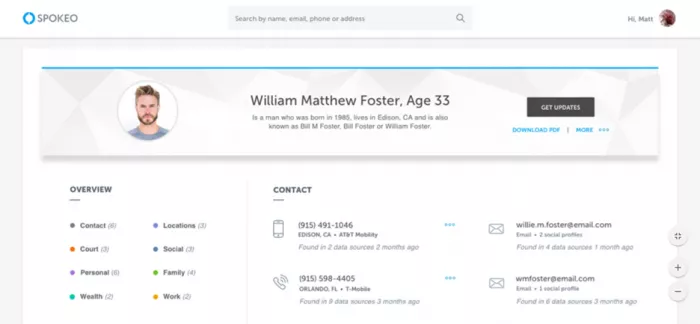
Spokeo focuses on compiling public data into personal information reports.
The platform gathers information from sources such as:
- Public records
- Social networks
- Phone directories
Users can search using a name, email address, or phone number to find related accounts and personal details.
While it does not specifically search dating apps, it can sometimes reveal linked social profiles.
Why Tools Like This Are Becoming Popular
Cheaterbuster AI reflects a broader trend in how people use technology to investigate online identities.
Dating apps have become extremely common, and relationships now often involve digital transparency questions that did not exist a decade ago.
At the same time, artificial intelligence and large data indexing systems have made it easier to analyze massive amounts of online information.
These two trends have created a market for tools that promise to uncover hidden profiles or digital activity.
However, the growth of these tools also raises new debates about privacy, consent, and how much surveillance technology should be available to everyday users.
Final Thoughts
Cheaterbuster AI attempts to solve a very specific problem by offering a search tool designed to locate Tinder profiles.
In certain situations the platform appears capable of identifying profiles when the search information is accurate and detailed.
At the same time, user reviews suggest that results can be inconsistent, and concerns about pricing, transparency, and privacy remain common topics in discussions about the tool.
Anyone considering using Cheaterbuster AI should approach the results carefully. Like many investigative technologies, the platform may provide clues but it does not guarantee definitive answers.
Understanding its limitations is just as important as understanding its features.
Brandon Coleman
2 months agoActually tinder profiles can be hidden, deleted, or inactive and this tool can't tell the difference. got results saying someone was "active" but the profile hadn't been used in months. the data is misleading and creates false confidence. you're paying for guesses dressed up as certainty.
Login To Reply ↪