The first time I moved a caseload between these two systems, the difference landed before I finished a single note. SimplePractice felt like a polished consumer app that happened to do clinical work. Valant felt like a tool built by people who had sat beside a prescriber on a chaotic Tuesday. Both now lean hard on AI to write notes, and that is where most 2026 buying decisions are made. So here is the comparison I wish someone had handed me, built around tables instead of fluff: what the AI does, what each platform really costs, and which workflow each one rewards.
Meet the two platforms
SimplePractice, the therapist's platform
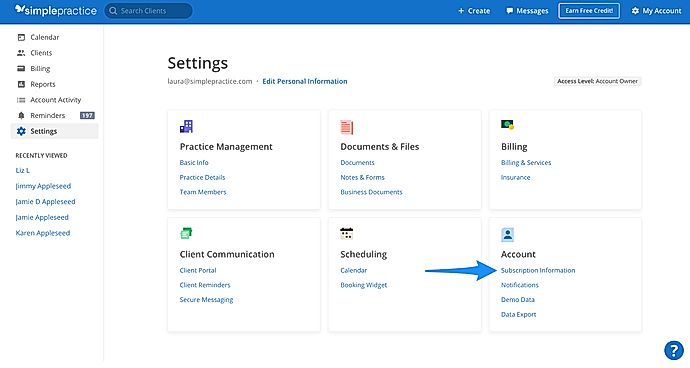
SimplePractice is a cloud based EHR built for therapists, counselors, and the wider health and wellness field, and it now supports more than 250,000 active practitioners. Its reputation rests on usability: scheduling, telehealth, billing, the client portal, and even a built in website builder all sit under one clean roof, and most clinicians are running within a day. Owned by Vista Equity Partners since 2024, it has leaned into AI through its Note Taker scribe while drawing steady criticism for rising prices.
STRENGTHS
• Best-in-class usability; most clinicians are productive within a day.
• Top-rated mobile apps in the behavioral health category.
• Transparent published pricing and a true all-in-one feature set.
• More than 250,000 active practitioners and a mature support ecosystem.
WATCH-OUTS
• Prices have climbed quickly since the 2024 Vista Equity acquisition.
• AI notes and e-prescribing are extra line items, not built in.
• Reporting lacks visual graphs, and basic features keep moving behind add-ons.
Valant, the prescriber's platform
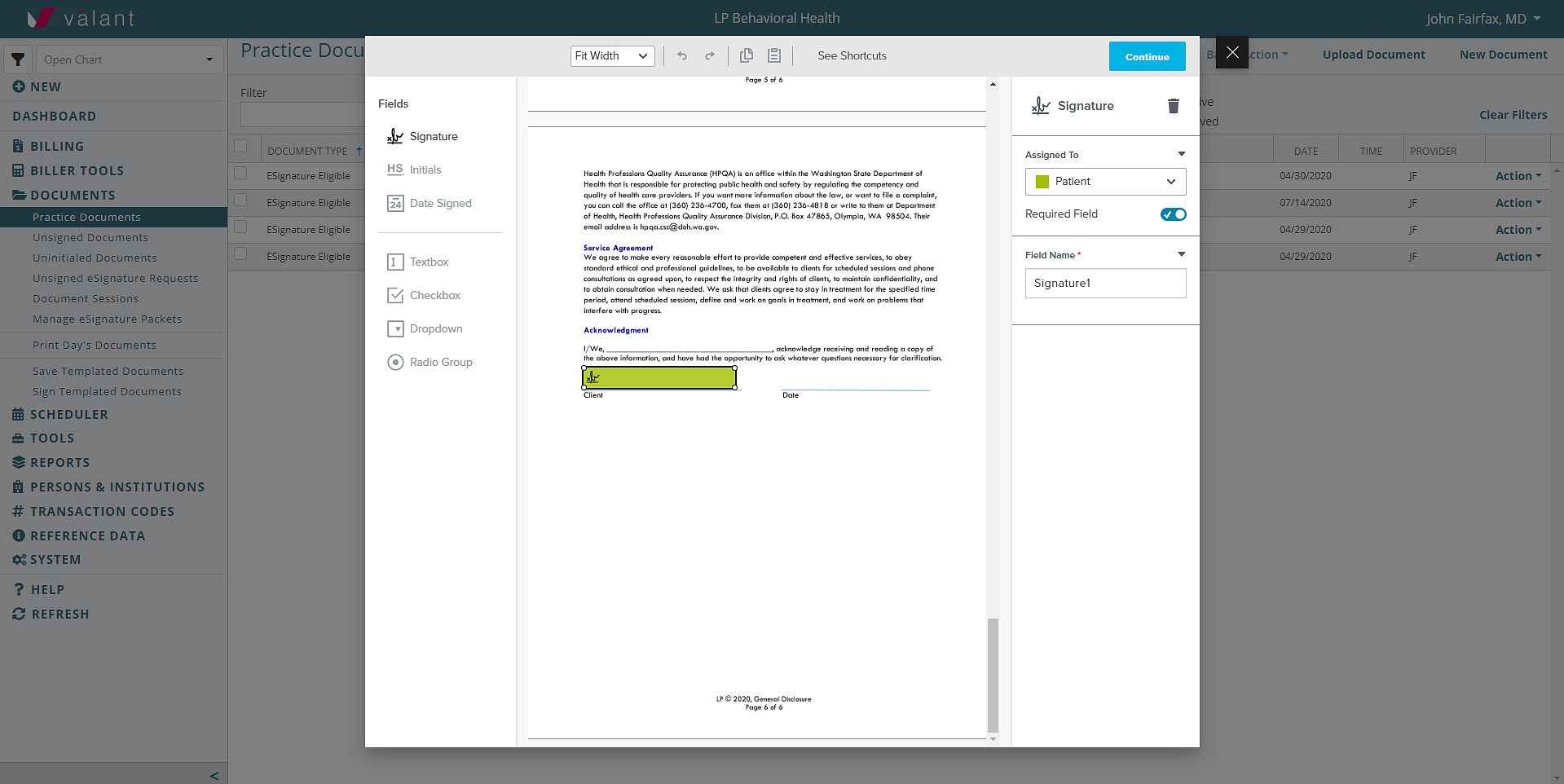
Valant, now branded Valant IO, is a cloud based EHR built specifically for psychiatry and behavioral health since 2005, serving roughly 22,000 mental health professionals from its Seattle base. Where general platforms bolt behavioral health templates onto a generic core, Valant was designed with prescribers as the primary user, which shows in its integrated PDMP lookups, controlled substance e-prescribing, and unusually deep clinical library. The trade-off is a heavier, pricier system with a steeper learning curve, now paired with its newer AI Notes Assist documentation engine.
STRENGTHS
• Built for psychiatry and prescribing since 2005, with native EPCS and integrated PDMP lookups.
• More than 100 clinical templates spanning CBT, DBT, MFT, and TMS.
• Over 80 outcome measures that auto-score and graph progress over time.
• Intake automation, group therapy, eLabs, and full IOP or PHP support.
WATCH-OUTS
• Dated interface and a steeper learning curve than SimplePractice.
• Quote-based pricing with no public rates, plus implementation fees.
• Finished notes export as PDFs, which makes searching old records tedious.
At a glance
Same category, two different buyers. This is the fast read before the detail.
| Snapshot | SimplePractice | Valant |
|---|---|---|
| Best fit | Solo therapists and small groups | Psychiatry-led and mixed practices |
| Operating since | Around 2012 | 2005 |
| Active clinicians | 250,000 plus | About 22,000 |
| AI tool | Note Taker (ambient scribe) | AI Notes Assist (in-EHR) |
| AI pricing | 35 dollars per clinician monthly | Bundled into a custom quote |
| Starting price | 49 dollars monthly, published | Roughly 100 to 300 plus per provider |
| Prescribing | ePrescribe add-on | Native EPCS and PDMP |
| Capterra rating | 4.6 out of 5 | 4.1 out of 5 |
| Learning curve | Minimal | Steeper |
Snapshot of the two platforms heading into the 2026 buying season.
AI features compared
Both keep the clinician as final author, but they solve different problems. SimplePractice built an ambient scribe; Valant built a documentation engine wired into its clinical workflow.
| AI capability | SimplePractice Note Taker | Valant AI Notes Assist |
|---|---|---|
| Delivery | Paid add-on inside SimplePractice | Built into the Valant EHR |
| Price | 35 dollars per clinician monthly | Part of the quoted subscription |
| Capture modes | Telehealth, in-person, dictation, upload | In-encounter documentation |
| Note formats | SOAP, DAP, BIRP templates | Structured CBT, DBT, REBT, ACT notes |
| Coding help | Maps to existing templates | CPT-aligned suggestions from care |
| Cross-session context | Previous note only | Carries forward notes and measures |
| Data portability | Stays inside SimplePractice | Stays inside Valant |
| Adapts to your style | Yes, learns from edits | Provider-vetted structured templates |
How the two AI documentation tools line up feature for feature.
SIMPLEPRACTICE NOTE TAKER, IN SHORT
• Ambient scribe at 35 dollars per clinician monthly after a 30-day trial.
• Captures telehealth, in-person sessions, dictation, or uploaded audio and text.
• HITRUST certified; transcripts kept seven days or until the note is signed.
• Limit: locked to SimplePractice, one note per session, no thread across visits.
VALANT AI NOTES ASSIST, IN SHORT
• Generates structured notes directly in the EHR, with no copy and paste.
• Surfaces CPT-aligned coding suggestions from the care actually documented.
• Carries diagnoses, history, and outcome measures forward into each note.
• Limit: inseparable from Valant's heavier, quote-priced platform.
Pricing breakdown
Transparency cuts both ways. SimplePractice publishes rates that grow with add-ons; Valant quotes a bundle that hides the sticker but often includes more.
| Cost item | SimplePractice | Valant |
|---|---|---|
| Pricing model | Published, per clinician | Custom quote per provider |
| Entry tier | 49 dollars monthly (Starter) | Roughly 100 to 150 per provider |
| Higher tiers | 79 Essential, 99 Plus | Roughly 200 to 300 plus per provider |
| AI documentation | Plus 35 per clinician monthly | Included in the quote |
| E-prescribing | Plus 49 monthly and 89 setup | Native, within the quote |
| Card processing | 3.15 percent per transaction | Integrated, quoted |
| Five-provider group, yearly | Typically under 10,000 dollars | Roughly 15,000 to 25,000 plus |
Representative 2026 costs. SimplePractice figures come from its published pricing; Valant figures reflect aggregated buyer reports.
THE FINE PRINT
• SimplePractice's headline rarely equals the real bill once AI, e-prescribing, and processing stack up.
• Group practices pay an added per-clinician fee on top of the base plan.
• Valant bundles more, but implementation and training raise the true first-year total.
• For a single therapist, SimplePractice still costs a fraction of a Valant deployment.
Clinical workflow at a glance
SimplePractice flow: open the calendar, launch telehealth or record in person on mobile, let Note Taker draft, review and sign, move billing along. Minimal friction.
Valant flow: automated intake pulls responses into the chart, outcome measures score and graph, a prescriber checks the PDMP and sends through EPCS in the same record, then claims and reporting follow. More depth, more weight.
• SimplePractice optimizes for a fast, clean note a new hire can produce the same afternoon.
• Valant optimizes for prescribing depth, measurement-based care, and audit-ready documentation.
• Key difference: SimplePractice drafts one session at a time, while Valant carries history forward.
What the research says about AI notes
SimplePractice markets time savings of up to 50 percent, yet the most rigorous 2024 to 2026 studies tell a more nuanced story worth seeing before deciding on AI alone.
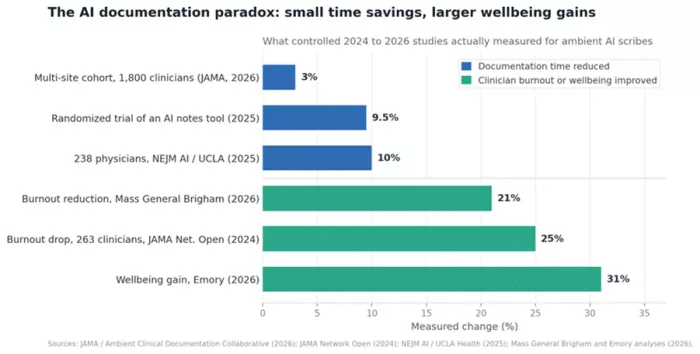
Figure 1. Measured outcomes from controlled studies of ambient AI scribes, 2024 to 2026.
THREE TAKEAWAYS
• Time savings are modest: about 16 minutes per day, or roughly 3 to 10 percent across studies.
• Wellbeing gains are larger: burnout fell 21 to 31 percent, including 51.9 to 38.8 percent in one study.
• The payoff only lands when clinicians use the tool in most visits; one trial saw 15 percent never adopt it.
What real users think
On Capterra, SimplePractice holds a 4.6 out of 5 across roughly 2,762 reviews, while Valant sits at 4.1 across about 304. On G2, reviewers favored SimplePractice on business fit and support.
SIMPLEPRACTICE
• Praised for ease of use, scheduling, telehealth, and billing automation.
• Criticized for cost. One Software Advice counselor said it isn't the best value for the money for solo practice.
VALANT
• Praised for behavioral health fit; a Capterra reviewer wrote the AI has been incredible and catching everything that is discussed.
• Criticized for a dated interface, PDF-only notes, and slower support during busy hours.
My rating of both tools
After living in both systems, here is how I score them on what actually decides an EHR for behavioral health. SimplePractice wins on experience and price clarity; Valant wins on clinical and prescribing depth.
| My rating (out of 5) | SimplePractice | Valant |
|---|---|---|
| AI note quality and depth | 4.0 | 4.3 |
| Ease of use and onboarding | 4.8 | 3.3 |
| Prescribing and medication tools | 3.0 | 4.7 |
| Measurement-based care | 3.8 | 4.6 |
| Pricing transparency and value | 4.0 | 3.0 |
| Scheduling, billing and telehealth | 4.6 | 4.0 |
| Mobile experience | 4.7 | 3.4 |
| Overall | 4.1 | 3.9 |
My hands-on scorecard. The overall figures are close, but the platforms win opposite categories.
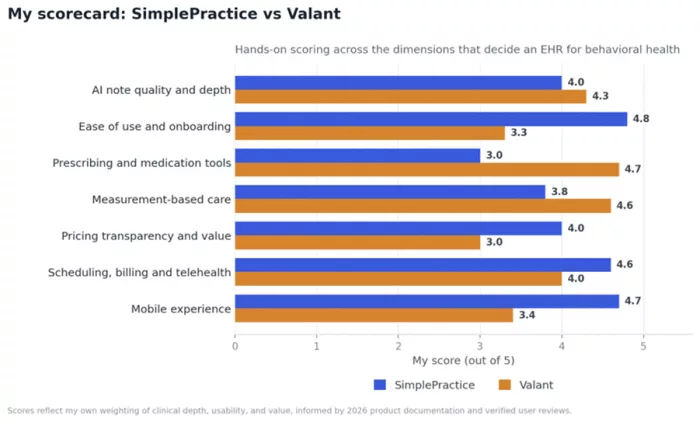
Figure 2. The same scores, visualized side by side.
Final verdict
CHOOSE SIMPLEPRACTICE IF
• You are a therapist who does not prescribe and want speed, simplicity, and clear pricing.
• A clean scheduler plus a reliable scribe covers most of your documentation needs.
CHOOSE VALANT IF
• You prescribe, run a psychiatry or mixed group, and bill complex psychiatric care.
• You need CPT-aligned notes, measurement-based care, and prescribing in one chart.
If I had to compress months of hands-on use into one line, it is this: the platform to buy is decided less by the AI and more by whether the practice writes prescriptions. The research backs it up, since the real payoff of AI notes shows up in after-hours load and presence with patients, not on a stopwatch, and only when clinicians trust the drafts enough to keep using them. So I judge each tool by which notes I would sign with the fewest corrections. For most solo therapists, that is SimplePractice. For prescriber-heavy practices, that is Valant. The real mistake is buying the heavy platform when a scheduler and a good scribe were enough, or buying the light one and bolting on three tools to imitate what the other does natively.
Comments